
Dental cavities are one of the most common oral health issues worldwide. Many people ask: “what does a cavity look like?” Understanding the visual signs and symptoms of cavities is crucial for early detection and treatment.
A cavity, also called tooth decay, occurs when the enamel is damaged due to bacterial activity and sugar consumption. Left untreated, cavities can lead to tooth pain, infection, and even tooth loss. This comprehensive 2026 guide covers visual appearance, symptoms, causes, treatment options, and prevention tips to help you maintain healthy teeth.
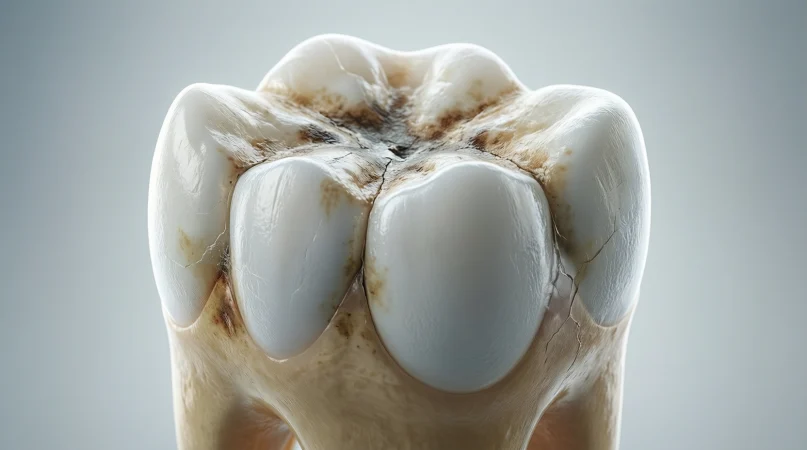
What Does a Cavity Look Like?
Cavities can appear in different stages and vary in color, size, and location. Here’s what to look for:
- White Spots on Teeth:
- Early signs of enamel demineralization.
- Often appear as chalky white areas on the surface of teeth.
- Brown or Black Spots:
- Indicate more advanced decay.
- Usually found in grooves, pits, or between teeth.
- Holes or Pits:
- Visible small holes on the tooth surface.
- May trap food and become sensitive.
- Discoloration and Stains:
- Yellow, brown, or black patches on enamel.
- Not all stains are cavities, but persistent ones should be checked.
- Rough or Uneven Surfaces:
- Tooth surface may feel rough with tongue.
- Can indicate enamel breakdown.
Note: Cavities can occur on any tooth surface, including front teeth, molars, and between teeth.
Causes of Cavities
Cavities form due to a combination of factors:
- Poor Oral Hygiene: Not brushing or flossing properly allows plaque buildup.
- Sugar & Acidic Foods: Bacteria feed on sugar and produce acids that erode enamel.
- Dry Mouth: Reduced saliva makes teeth more vulnerable.
- Genetics: Some people are more prone to tooth decay.
- Medical Conditions: Acid reflux, diabetes, and certain medications can increase risk.
Early Signs and Symptoms of Cavities
Recognizing cavities early can prevent serious damage. Look out for:
- Tooth sensitivity to hot, cold, or sweet foods
- Mild to severe toothache
- Pain when biting or chewing
- Visible spots or holes on teeth
- Bad breath or unpleasant taste in the mouth
Early detection ensures easier and less invasive treatment.
Advanced Cavity Appearance
In advanced stages, cavities can become more obvious:
- Dark brown or black cavities
- Large holes in teeth
- Inflammation of surrounding gums
- Tooth breakage or fractures
- Risk of infection spreading to nerves
Visiting a dentist at this stage is essential to prevent tooth loss.
Treatment Options for Cavities
Dental treatment depends on the stage of the cavity:
- Fluoride Treatment: Early white spots can sometimes be reversed with fluoride.
- Dental Fillings: Most common treatment; decayed material is removed and tooth is filled.
- Crowns: For extensive decay, a crown protects and restores the tooth.
- Root Canal: Required when decay reaches the tooth pulp causing infection.
- Extraction: Last resort for severely damaged teeth.
Regular dental checkups help detect cavities early before advanced treatment is needed.
Prevention of Cavities
Preventing cavities is easier than treating them:
- Brush teeth at least twice daily with fluoride toothpaste
- Floss daily to remove food between teeth
- Reduce sugary and acidic foods
- Drink plenty of water
- Regular dental checkups every 6 months
- Consider dental sealants for children and adults at risk
Healthy habits and routine checkups can save you from pain and expensive procedures.
FAQs
Q1: What does a cavity look like on a front tooth?
A: Usually appears as a white, yellow, or brown spot; small holes may form in advanced stages.
Q2: Can cavities be seen without a dentist?
A: Early cavities may not be visible. Dentists use X-rays for hidden decay.
Q3: Can a cavity go away on its own?
A: No. Cavities do not heal naturally. Early fluoride treatment can reverse minor enamel demineralization.
Q4: How fast do cavities grow?
A: Growth varies by diet, oral hygiene, and saliva. They can progress from white spots to holes in months to years.
Q5: Can cavities cause bad breath?
A: Yes. Bacteria in decayed teeth produce acids and odors causing halitosis.
Conclusion
Now you know what a cavity looks like, the early warning signs, causes, treatment options, and prevention methods. Regular dental checkups, proper brushing and flossing, and a healthy diet can help you avoid cavities and maintain strong, healthy teeth.
Don’t wait for pain early detection is the key to preserving your smile.