
A torn meniscus is one of the most common knee injuries, especially among athletes, gym lovers, and even older adults. Many people ask the same question after knee pain or a sudden injury.
What does a torn meniscus look like on the outside?
The truth is that a meniscus tear is inside the knee joint, but your body shows clear warning signs on the outside. In this detailed guide, you will learn how a torn meniscus appears externally, what changes you can see on your knee, how swelling develops, and when you should seek medical attention.
What Does a Torn Meniscus Look Like on the Outside?
A torn meniscus does not show as a cut or wound. Instead, it causes visible and physical changes around the knee.
Common external signs include:
- Swelling around the knee joint
- Puffiness on one side of the knee
- Mild to moderate bruising
- Stiff or locked knee appearance
- Knee that looks larger than the other one
- Difficulty straightening or bending the leg
- Knee appearing unstable or weak when standing
The swelling often builds up slowly within the first 24 hours after the injury.
Visible Swelling Patterns of a Torn Meniscus
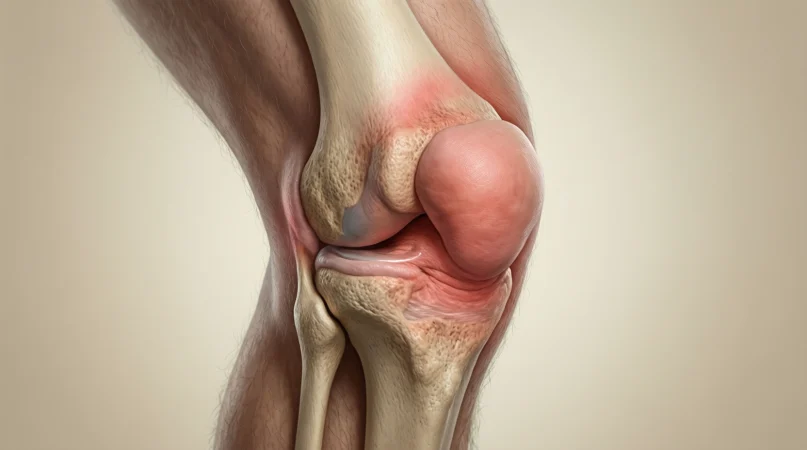
Swelling is the most noticeable sign when asking what does a torn meniscus look like on the outside.
Typical swelling patterns include:
- Rounded and puffy knee shape
- Swelling mostly on the inner or outer side of the knee
- Warm skin around the joint
- Tight or stretched skin feeling
Unlike fractures, the knee usually keeps its normal shape, but it looks fuller and inflamed.
Bruising and Skin Changes
In some cases, a torn meniscus may cause small blood vessels to leak, leading to:
- Light purple or yellow bruising around the knee
- Skin discoloration after a few days
- Slight redness near the joint line
Bruising is not always present, but when it appears, it often fades within one to two weeks.
Knee Deformity and Abnormal Appearance
A torn meniscus rarely causes extreme deformity, but you may notice:
- The knee looks uneven compared to the healthy knee
- One side of the knee appears more swollen
- Slight bending posture when standing
- Knee may look stuck in a partially bent position
This abnormal look usually happens when the torn cartilage blocks knee movement.
What Does a Torn Meniscus Look Like When Standing or Walking?
From the outside, you may notice:
- Limping or favoring the injured leg
- Reduced knee bend while walking
- Shaky or unstable movement
- Knee that gives out suddenly
These walking changes are strong visual signs of internal knee damage.
Torn Meniscus vs Other Knee Injuries
| Injury Type | External Appearance |
|---|---|
| Torn meniscus | Swelling, puffiness, stiffness, uneven knee |
| Ligament tear | Large swelling, instability, possible bruising |
| Fracture | Severe deformity, extreme pain, inability to stand |
| Knee sprain | Mild swelling, no major shape change |
This table helps you visually compare what you may see on the outside.
When to Worry About External Symptoms
Seek medical care if you notice:
- Severe swelling that keeps increasing
- Knee locked in one position
- Visible bruising spreading down the leg
- Sharp pain with every step
- Knee feels unstable or gives out
These signs suggest a serious meniscus tear that needs professional treatment.
FAQs
What does a torn meniscus look like on the outside immediately after injury?
The knee may look normal at first, but swelling usually starts within a few hours.
Can you see a meniscus tear from the outside?
You cannot see the tear itself, but you can see swelling, puffiness, and limited movement.
Does a torn meniscus always cause swelling?
Most tears cause some swelling, but small tears may only cause mild stiffness.
Is bruising common with a torn meniscus?
Bruising is possible but not guaranteed. It depends on how severe the tear is.
Can a torn meniscus heal on its own?
Some minor tears may heal with rest, but many need medical evaluation.
Conclusion
So, what does a torn meniscus look like on the outside? It usually appears as a swollen, puffy knee with stiffness, uneven shape, limited movement, and sometimes bruising. Although the injury is internal, your body sends clear external signals that should never be ignored.
If your knee looks different from normal and the pain does not improve, it is important to consult a healthcare professional for proper diagnosis and treatment.