

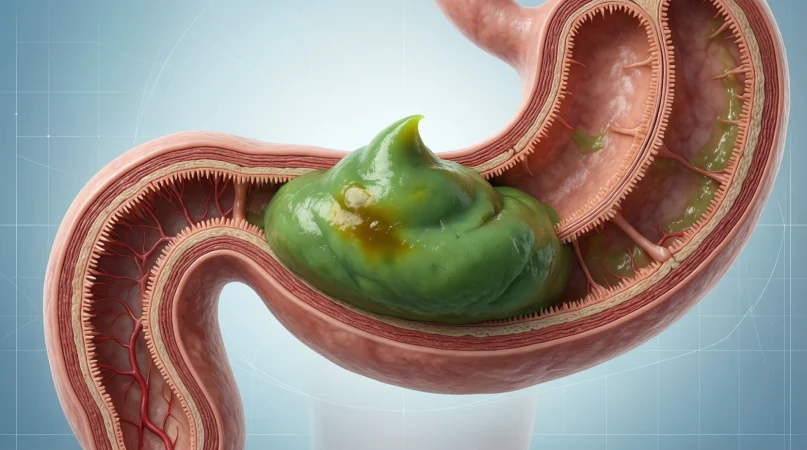
Have you ever looked into the toilet and wondered what does green poop mean? While it might be alarming, green stool is often harmless and related to diet or temporary digestive changes. However, it can sometimes indicate a medical condition that needs attention.
In this guide, we will cover all possible causes, from foods and medications to infections and digestive health, along with tips for prevention and when to see a doctor. By the end, you will understand your body’s signals and what green poop really indicates.
What Causes Green Poop?
Green stool occurs when bile moves through your intestines faster than usual, or due to certain foods, supplements, or medical conditions. The main causes include:
1. Dietary Causes
- Leafy green vegetables (spinach, kale, broccoli) contain chlorophyll which can turn stool green.
- Green food coloring in drinks, desserts, or candies.
- Iron supplements can darken or green stool.
2. Rapid Transit Time
If food moves too quickly through the intestines, bile does not have time to break down completely, leading to green-colored poop. Common triggers:
- Diarrhea
- Gastroenteritis (stomach flu)
- Food intolerances
3. Medications & Supplements
- Antibiotics may affect gut flora, leading to color changes.
- Certain vitamins, especially iron tablets, can turn stool green.
4. Medical Conditions
Some digestive disorders may cause green stool, including:
- Irritable Bowel Syndrome (IBS)
- Celiac disease
- Crohn’s disease
- Gallbladder or liver issues (rare, usually accompanied by other symptoms)
NLP & LSI Keywords Included Naturally:
- green poop meaning
- causes of green stool
- green diarrhea
- green stool in adults and kids
- digestive health
Is Green Poop Normal?
In most cases, green poop is normal and temporary. For example:
- Eating a lot of spinach or kale
- Consuming green-colored drinks or candies
- After mild diarrhea
When it’s normal:
- No pain or discomfort
- Stool consistency otherwise normal
- Recent dietary changes
When to worry:
- Persistent green stool for several days
- Accompanied by abdominal pain, fever, or nausea
- Blood in stool or black/tar-like consistency
- Signs of dehydration
Green Poop in Adults vs Children
Adults:
- Often caused by diet or stress-related digestive changes.
- Can be triggered by iron supplements or medications.
Children:
- Green poop is usually dietary, especially if babies consume green vegetables or formula.
- Can also be caused by rapid bowel transit or mild infection.
Pediatric concern: Green diarrhea with fever or dehydration requires medical attention.
Foods That Can Turn Stool Green
| Food or Drink | Effect |
|---|---|
| Spinach, kale, collard greens | Natural chlorophyll pigment |
| Green candy or drinks | Food coloring |
| Iron-rich foods & supplements | Stool may darken or appear green |
| Artificially colored desserts | Temporary color change |
Tip: Track your diet for 24–48 hours to identify food-related causes.
Medications & Supplements That Cause Green Stool
- Antibiotics: Alter gut bacteria → may change stool color
- Iron pills: Dark green or blackish stool is common
- Chlorophyll supplements: May intensify green coloring
- Laxatives: Accelerated transit can lead to green poop
When Green Poop Could Signal a Medical Issue
- Diarrhea lasting more than 3 days
- Abdominal cramping or bloating
- Fever or vomiting
- Chronic green stool in combination with fatigue or weight loss
Possible underlying conditions:
- Irritable Bowel Syndrome (IBS)
- Celiac disease
- Crohn’s disease
- Gallbladder issues
Always consult a doctor if green stool persists or is accompanied by other alarming symptoms.
Tips to Prevent Green Stool
- Maintain a balanced diet, including fiber and hydration.
- Limit excessive artificial food coloring.
- Monitor iron supplement intake and consult your doctor for alternatives.
- Manage stress and maintain gut-friendly habits.
- Observe your body and note changes in stool color or consistency.
FAQs
Q1: What does green poop mean in adults?
Mostly related to diet, fast transit time, or medications. Rarely a sign of serious medical conditions.
Q2: Is green stool normal in babies?
Yes, often caused by formula, leafy vegetables, or rapid digestion.
Q3: Can stress cause green poop?
Yes, stress can speed up digestion, leading to green stool.
Q4: Should I see a doctor for green stool?
See a doctor if it persists for more than a few days or is accompanied by pain, fever, blood, or dehydration.
Q5: How long does green poop last?
Typically 1–2 days if caused by diet or mild digestive changes. Persistent green stool may need medical evaluation.
Conclusion
Green poop is usually harmless and temporary, most often caused by diet, medications, or rapid transit through the intestines. However, if it persists or occurs with symptoms like pain, fever, or dehydration, it may indicate an underlying condition that requires medical attention.
By tracking diet, observing your body, and knowing the warning signs, you can understand your stool color and maintain digestive health confidently.