

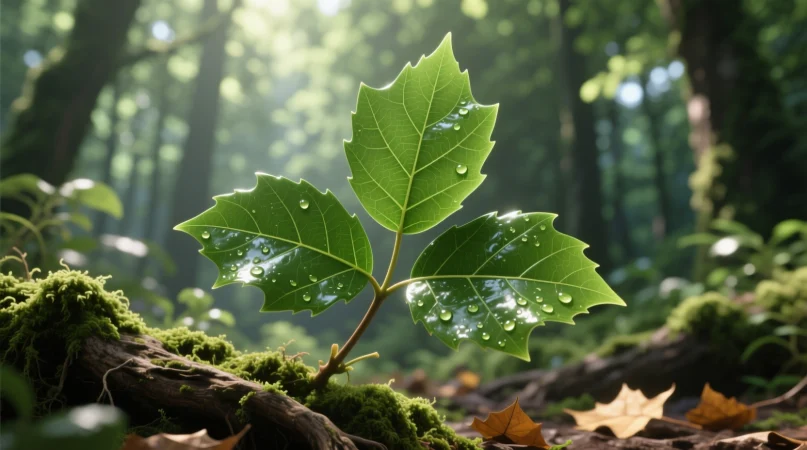
Many people suffer painful rashes every year simply because they do not recognize poison ivy in time. If you love gardening, hiking, camping or spending time outdoors, learning what does poison ivy look like is essential for your safety.
Poison ivy is one of the most common toxic plants in North America and touching it can cause severe itching, redness and blisters.
In this complete guide you will learn how to identify poison ivy leaves, vines, berries and roots. You will also discover how the plant changes with seasons and how to avoid accidental contact.
What Does Poison Ivy Look Like
Poison ivy is a woody plant that can grow as a vine, shrub or ground cover. Its most famous feature is the phrase:
“Leaves of three, let it be.”
Each poison ivy leaf cluster has three leaflets attached to one stem. These leaflets are almond shaped with pointed tips. The edges may be smooth or slightly toothed.
Common visual signs include
- Three shiny green leaflets in spring and summer
- Reddish tinted leaves in early spring
- Bright red, orange or yellow leaves in fall
- Leafless hairy vines in winter
How to Identify Poison Ivy Leaves
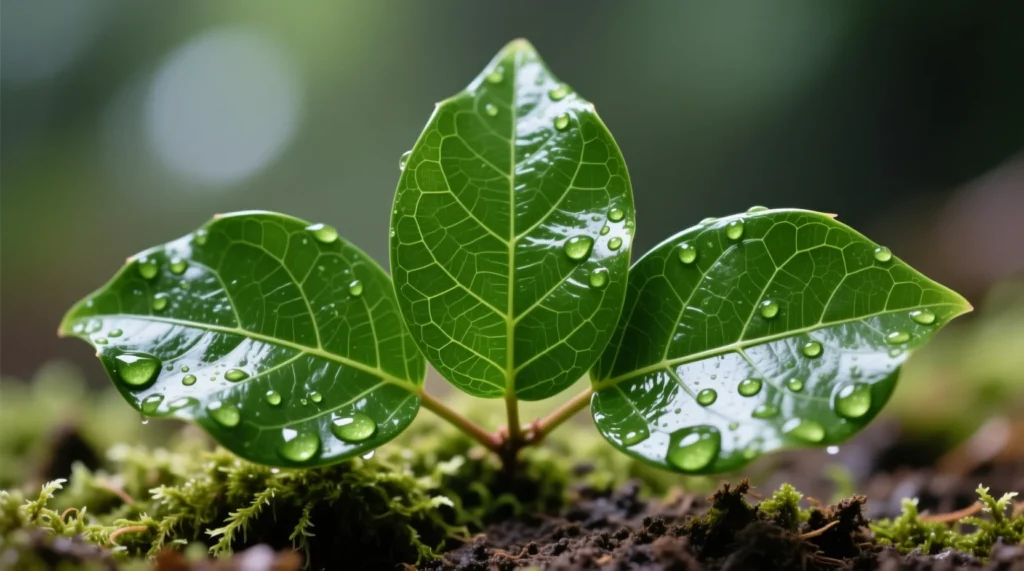
Poison ivy leaves are the easiest way to recognize the plant.
Key characteristics
- Always grouped in threes
- Middle leaflet has a longer stem than side leaflets
- Leaf surface can appear glossy
- Leaf edges may be smooth or slightly jagged
- Color changes with season
Young leaves often appear reddish while mature leaves are bright green. In autumn they turn deep red or orange.
Poison Ivy Vines and Roots Appearance
Poison ivy does not always look like a bush. It can climb trees and walls using aerial roots.
These vines appear
- Hairy or fuzzy like rope
- Brown or gray in color
- Twisted around tree trunks or fences
In winter when leaves fall off, these vines are still dangerous and can cause rash if touched.
Poison Ivy Berries Description
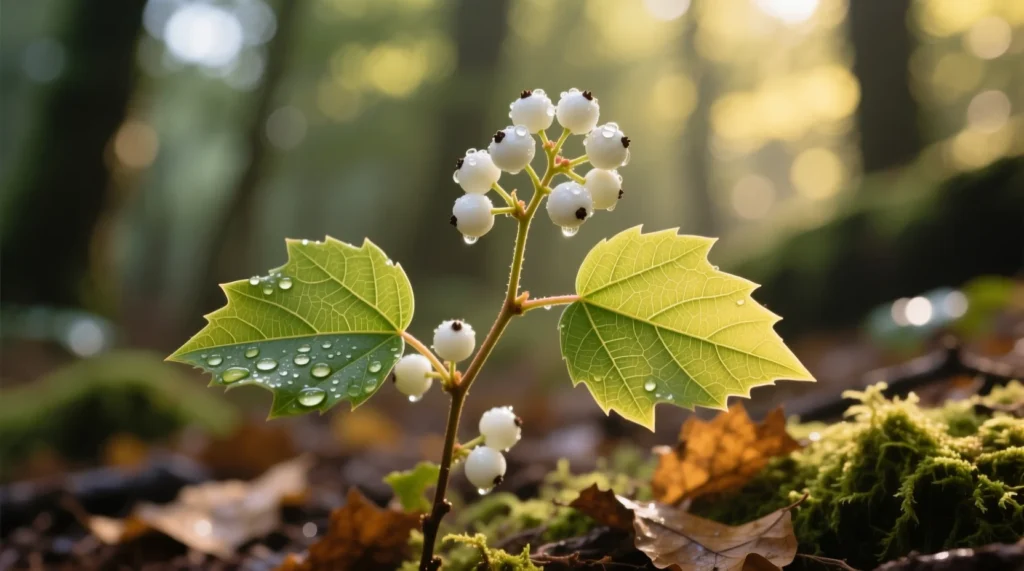
Poison ivy also produces berries which are small, round and waxy.
Berries are usually
- Whitish or pale green
- Found in clusters
- Visible in late summer and fall
Birds eat these berries but humans should never touch them.
Seasonal Changes of Poison Ivy
Poison ivy changes color throughout the year which makes identification difficult.
Spring
New leaves are reddish and glossy. This is the most dangerous time because oil levels are high.
Summer
Leaves turn deep green and look healthy and shiny.
Fall
Leaves become orange, red or yellow making the plant look attractive.
Winter
Leaves drop off but fuzzy vines remain on trees and walls.
Where Does Poison Ivy Grow
Poison ivy grows almost everywhere including
- Forest edges
- Riverbanks
- Gardens
- Roadsides
- Backyards
It loves shade but can also survive in sunlight.
Poison Ivy vs Similar Plants
Many harmless plants look similar to poison ivy.
Box Elder
Has three to five leaflets but leaves are opposite not alternate.
Virginia Creeper
Has five leaflets not three.
Raspberry
Leaves are rough and have thorns.
Learning the leaf pattern will help avoid confusion.
What Happens If You Touch Poison Ivy
Poison ivy contains urushiol oil which causes allergic reactions.
Symptoms include
- Red itchy rash
- Blisters
- Swelling
- Burning sensation
Rash can appear within hours or days.
How to Protect Yourself from Poison Ivy
- Wear long sleeves when hiking
- Learn leaf patterns
- Wash skin immediately after exposure
- Clean clothes and tools thoroughly
- Never burn poison ivy plants
FAQs
What does poison ivy look like in summer
It has three shiny green leaflets with pointed tips and may grow as a vine or bush.
Can poison ivy have more than three leaves
No poison ivy always has three leaflets per cluster.
Is poison ivy dangerous in winter
Yes leafless vines still contain toxic oil.
How can I tell poison ivy from other plants
Look for three leaflets and fuzzy climbing vines.
Conclusion
Now you fully understand what does poison ivy look like in every season. Learning to identify its leaves, vines and berries can protect you from painful rashes and infections. Whether you are hiking, gardening or enjoying nature, always remember the golden rule:
Leaves of three, let it be.